
Why Philadelphia Homeowners Are Choosing Concrete Driveways Over Asphalt
Why Philadelphia Homeowners Are Choosing Concrete Driveways Over Asphalt
Your driveway is more than just a place to park your car—it’s one of the first features people notice when they arrive at your home. Choosing the right driveway material can improve your property’s appearance, increase its value, and reduce long-term maintenance costs. For homeowners in Philadelphia, the decision often comes down to two popular options: concrete and asphalt.
While asphalt has long been a common choice because of its lower upfront cost, more homeowners are now investing in concrete driveways for their durability, attractive appearance, and long-term value. With Philadelphia’s changing seasons, including freezing winters, rainy springs, and hot summers, selecting a material that can withstand the local climate is especially important.
If you’re planning to install a new driveway or replace an aging one, understanding the advantages of concrete can help you make an informed decision.
Longer Lifespan Makes Concrete a Better Investment
One of the biggest reasons Philadelphia homeowners prefer concrete over asphalt is its impressive lifespan. A professionally installed concrete driveway can last 30 years or even longer with proper maintenance. In comparison, asphalt driveways typically require replacement after 15 to 20 years.
Concrete is designed to withstand:
- Daily vehicle traffic
- Heavy SUVs and pickup trucks
- Changing weather conditions
- Years of continuous use
Although concrete usually costs more initially, its longer service life often makes it the more economical choice over time.
Superior Performance in Philadelphia’s Climate
Philadelphia experiences a wide variety of weather throughout the year. Winter snow, freezing temperatures, spring rainfall, and hot summer days all place stress on driveway surfaces.
Concrete performs exceptionally well because it:
- Maintains its structural integrity during hot weather.
- Resists softening under direct sunlight.
- Handles moisture effectively when properly installed.
- Provides excellent long-term durability.
When installed with proper expansion joints and a solid base, concrete can withstand years of seasonal temperature changes with minimal issues.
Lower Maintenance Requirements
Maintenance is another major factor influencing homeowners’ decisions.
Asphalt driveways generally require:
- Sealcoating every 2–4 years
- Regular crack filling
- Surface patching
- More frequent repairs as they age
Concrete requires significantly less maintenance. Occasional cleaning and periodic sealing are usually enough to keep it looking attractive for decades.
This reduced maintenance translates into lower long-term ownership costs.
Enhanced Curb Appeal
Your driveway contributes significantly to your home’s overall appearance. A clean, attractive driveway creates a positive first impression and complements landscaping and exterior design.
Concrete offers a brighter, cleaner appearance than traditional asphalt while providing numerous decorative possibilities.
Stamped Concrete
Stamped concrete can replicate the appearance of brick, slate, natural stone, or pavers while maintaining the strength of poured concrete.
Colored Concrete
Integral color options allow homeowners to coordinate the driveway with their home’s exterior and landscaping.
Exposed Aggregate
Exposed aggregate finishes provide a decorative texture while improving traction and slip resistance.
These customization options make concrete an attractive choice for homeowners looking to improve curb appeal.
Higher Property Value
Many homebuyers recognize the long-term value of a professionally installed concrete driveway.
A new concrete driveway offers:
- Improved visual appeal
- Reduced future maintenance costs
- Long-lasting durability
- Greater buyer confidence
While a driveway alone won’t determine a home’s selling price, it contributes positively to the property’s overall presentation and perceived value.
Handles Heavy Vehicles More Effectively
Modern households often own multiple vehicles, including heavier SUVs, trucks, and commercial vehicles.
Concrete’s high compressive strength allows it to support these heavier loads without developing ruts or depressions that can occur in asphalt over time.
This makes concrete particularly suitable for busy households with multiple drivers or heavier vehicles.
Better Resistance to Oil and Fuel Damage
Vehicle fluids such as oil, gasoline, and transmission fluid can damage asphalt by softening its surface over time.
Concrete is generally more resistant to these substances. Although spills should still be cleaned promptly to prevent staining, concrete maintains its structural integrity much better than asphalt.
This helps preserve both the appearance and durability of the driveway.
Reflects Heat Instead of Absorbing It
One noticeable advantage during Philadelphia’s hot summers is concrete’s lighter color.
Unlike black asphalt, concrete reflects more sunlight instead of absorbing it. As a result:
- The driveway remains cooler.
- Surrounding outdoor areas become more comfortable.
- The urban heat island effect is slightly reduced.
This may seem like a small benefit, but homeowners often appreciate the cooler surface during warmer months.
Environmentally Friendly Choice
Concrete also offers several environmental benefits.
- Its longer lifespan means fewer replacements.
- Reduced maintenance requires fewer repair materials.
- Many concrete mixes incorporate recycled materials.
- Its reflective surface helps reduce heat absorption.
For homeowners seeking sustainable home improvement options, concrete provides several long-term environmental advantages.
Easier Snow Removal During Winter
Snow removal becomes much easier when your driveway maintains a smooth, level surface.
Concrete driveways typically:
- Provide consistent surfaces for snow shovels.
- Work well with snow blowers.
- Maintain their shape over time.
- Offer excellent traction when properly finished.
This makes winter maintenance simpler while helping reduce the risk of slips and falls.
When Asphalt May Still Be the Right Choice
Although concrete offers numerous advantages, asphalt still has its place.
Homeowners may choose asphalt if:
- They have a limited installation budget.
- They need a driveway installed quickly.
- They expect to replace it within the next decade.
However, when considering lifetime costs, maintenance, durability, and appearance, many Philadelphia homeowners ultimately find concrete to be the better investment.
Choosing the Right Contractor Is Essential
The quality of installation significantly impacts how long any driveway will last.
A skilled contractor will ensure:
- Proper excavation and site preparation.
- A stable, compacted base.
- Correct concrete thickness.
- Well-placed expansion joints.
- Proper grading for effective drainage.
Professional workmanship helps maximize the lifespan of your driveway while reducing future repair costs.
Final Thoughts
Concrete has become the preferred driveway material for many Philadelphia homeowners because it combines durability, low maintenance, attractive design options, and outstanding long-term value. While asphalt remains a practical solution in certain situations, concrete’s superior lifespan and performance make it an excellent investment for homeowners looking to enhance both the functionality and appearance of their property.
If you’re planning a driveway replacement or installing a new one, taking the time to compare both materials can help ensure you make the right long-term decision for your home.
For homeowners seeking professional concrete driveway installation or replacement services, Myles Construction is a trusted local contractor known for delivering durable, high-quality concrete solutions. Whether you’re upgrading an aging asphalt driveway or building a brand-new concrete driveway, their experienced team can help you achieve long-lasting results with expert craftsmanship.
Warning Signs You Need Roof Repair Before Storm Season in Fairfax
Storm season can be particularly challenging for homeowners in Fairfax. Heavy rain, strong winds, hail, and fluctuating temperatures often put extra stress on residential roofing systems. While many homeowners focus on preparing windows, gutters, and landscaping before severe weather arrives, the roof itself is sometimes overlooked until a major problem appears.
Unfortunately, even minor roofing issues can quickly become serious during storms. A small leak or a few damaged shingles may not seem urgent on a calm day, but strong weather conditions can turn those minor concerns into costly repairs.
Recognizing the warning signs early can help homeowners avoid extensive water damage, structural problems, and expensive emergency repairs. Understanding what to look for before storm season begins is one of the best ways to protect your home and maintain the long-term condition of your roof.
Why Roof Inspections Matter Before Storm Season
Your roof serves as the first line of defense against severe weather. It helps prevent moisture intrusion, protects insulation, supports ventilation, and shields the structural integrity of your home.
When roofing materials become damaged or worn out, storms can expose weaknesses quickly. Water can seep beneath shingles, flashing may loosen, and hidden leaks can spread into ceilings, walls, and attic spaces.
Scheduling a roof inspection before storm season gives homeowners the opportunity to identify and repair small problems before they become much more serious.
Missing or Damaged Shingles
One of the most obvious warning signs that your roof may need repair is missing or damaged shingles.
Shingles are designed to create a protective barrier against rain and wind. When shingles crack, curl, loosen, or disappear entirely, the layers underneath become vulnerable to moisture penetration.
Common Causes of Shingle Damage
Several factors can contribute to damaged shingles, including:
- Aging roofing materials
- Strong winds
- UV exposure
- Improper installation
- Hail impact
- Temperature fluctuations
Even a small section of damaged shingles can lead to larger problems during heavy storms.
Signs to Watch For
Homeowners should look for:
- Curling edges
- Bald spots where granules are missing
- Cracked shingles
- Loose shingle tabs
- Sections of shingles in the yard after storms
If you notice any of these issues, it may be time to schedule roof repairs before severe weather arrives.
Water Stains on Ceilings or Walls
Water stains inside the home are often one of the clearest indicators of roofing problems.
Brown or yellow discoloration on ceilings and walls may suggest that moisture is entering through the roof. Even if the leak appears minor, storm season can dramatically worsen the situation.
Why Interior Water Damage Is Serious
Moisture trapped inside the home can lead to:
- Mold growth
- Damaged insulation
- Structural wood rot
- Electrical hazards
- Ceiling deterioration
Ignoring interior water stains can allow hidden damage to spread throughout the home.
Sagging Roof Areas
A sagging roof should never be ignored.
Visible dips or uneven sections in the roofline may indicate structural weakening caused by moisture damage, rotting wood, or long-term water intrusion.
Storm conditions can place additional weight and stress on compromised areas, increasing the risk of serious structural failure.
Potential Causes of Roof Sagging
Roof sagging may result from:
- Water-soaked decking
- Poor drainage
- Aging materials
- Structural deterioration
- Long-term leaks
If you notice sagging areas, contact a roofing professional as soon as possible.
Granules in Gutters
Asphalt shingles are coated with protective granules that help shield the roof from UV damage and weather exposure.
Over time, shingles naturally lose some granules, but excessive granule buildup in gutters can indicate advanced wear.
Why Granule Loss Matters
Without proper granule protection, shingles become more vulnerable to:
- Cracking
- Heat damage
- Moisture penetration
- Faster aging
If your gutters contain large amounts of shingle granules, your roof may need repairs or replacement before storm season.
Flashing Damage Around Roof Features
Roof flashing is installed around chimneys, skylights, vents, and valleys to prevent water intrusion.
Damaged or loose flashing can create gaps where water enters during storms.
Signs of Flashing Problems
Watch for:
- Rusted metal flashing
- Cracked sealant
- Loose flashing sections
- Water stains near roof penetrations
Flashing issues are often overlooked during routine maintenance but can cause major leaks during heavy rainfall.
Increased Energy Bills
Unexpected increases in heating or cooling costs may sometimes point to roofing problems.
Damaged roofs can allow air leaks and reduce insulation efficiency, making it harder for HVAC systems to maintain indoor temperatures.
How Roof Damage Affects Energy Efficiency
Roof problems may contribute to:
- Poor attic ventilation
- Moisture-damaged insulation
- Air leaks through damaged decking
- Reduced temperature control
Addressing roofing issues early can help improve energy efficiency while preventing storm-related damage.
Mold or Mildew in the Attic
Attics are often the first place where hidden roof leaks appear.
If you notice mold, mildew, musty odors, or damp insulation in the attic, moisture may be entering through the roof.
Risks of Moisture Buildup
Excess attic moisture can lead to:
- Mold growth
- Wood rot
- Poor indoor air quality
- Reduced insulation performance
- Structural weakening
Storm season can significantly worsen these conditions if repairs are delayed.
Clogged or Damaged Gutters
Gutters play a major role in directing water away from the roof and foundation.
When gutters become clogged or damaged, water may back up onto the roof surface during storms.
Warning Signs of Gutter Problems
Look for:
- Overflowing gutters
- Sagging gutter sections
- Water pooling near the home
- Detached downspouts
- Rust or cracks
Maintaining gutters helps reduce the risk of roof leaks and water damage during heavy rainfall.
Roof Age and Wear
Even if your roof appears fine from the ground, age alone can increase the likelihood of storm-related problems.
Most asphalt shingle roofs last between 20 and 30 years depending on installation quality, weather conditions, and maintenance.
Signs Your Roof May Be Near the End of Its Lifespan
Older roofs may show:
- Frequent repairs
- Widespread shingle wear
- Moss or algae growth
- Fading materials
- Soft roof areas
Older roofing systems are often less resistant to severe weather conditions.
Importance of Timely Repairs
Delaying roof repairs before storm season can lead to:
- More expensive repairs later
- Interior water damage
- Mold growth
- Structural issues
- Insurance claim complications
Addressing problems early allows homeowners to avoid emergency situations during severe weather.
Professional roof inspections can identify hidden issues that may not be visible during casual observation.
Preventive Maintenance Tips
In addition to repairs, preventive maintenance can help extend roof lifespan and improve storm resistance.
Keep Gutters Clean
Removing leaves and debris helps ensure proper drainage during storms.
Trim Overhanging Branches
Tree limbs can damage roofing materials during high winds.
Schedule Regular Inspections
Annual roof inspections help identify wear before major problems develop.
Address Small Repairs Quickly
Minor roofing issues are often easier and less expensive to fix early.
Consistent maintenance can improve roof performance and reduce the likelihood of storm damage.
Final Thoughts
Preparing your roof before storm season is one of the smartest steps homeowners in Fairfax can take to protect their property. Small issues like missing shingles, flashing damage, water stains, or clogged gutters may seem manageable now, but severe weather can quickly turn minor problems into major repairs.
Paying attention to warning signs and scheduling timely inspections can help prevent costly damage while improving your roof’s durability and performance.
For homeowners seeking professional roofing inspections and repairs, many local residents recommend RIBA Roofing & Exteriors for dependable service and experienced roofing support in the Fairfax area.
How Regular HVAC Maintenance Helps Reduce Energy Bills in San Antonio
How Regular HVAC Maintenance Helps Reduce Energy Bills in San Antonio
In a city like San Antonio, where long summers and fluctuating temperatures are common, homeowners rely heavily on their HVAC systems throughout the year. Air conditioners often run for extended periods during the hotter months, while heating systems still play an important role during colder winter nights. Because of this constant usage, energy bills can quickly become one of the biggest monthly household expenses.
Many homeowners focus on upgrading appliances or adjusting thermostat settings to save money, but one of the most effective ways to lower energy costs is often overlooked: regular HVAC maintenance. A properly maintained heating and cooling system runs more efficiently, consumes less energy, and lasts significantly longer.
Understanding how HVAC maintenance affects energy efficiency can help homeowners make smarter decisions that improve comfort while reducing unnecessary expenses.
Why HVAC Systems Become Less Efficient Over Time
HVAC systems are designed to operate efficiently, but daily wear and tear gradually reduces performance. Dust buildup, clogged filters, dirty coils, worn components, and airflow restrictions force the system to work harder to maintain the desired indoor temperature.
When an HVAC system struggles to perform, it uses more electricity to produce the same level of cooling or heating. Even small issues that seem harmless can increase energy consumption over time.
For example, a dirty air filter restricts airflow, causing the system’s blower motor to work harder than necessary. Similarly, dirty evaporator coils reduce the system’s ability to absorb heat efficiently. These issues may not seem serious initially, but together they can noticeably increase monthly utility costs.
Regular maintenance helps identify and correct these problems before they affect system performance.
The Connection Between HVAC Maintenance and Lower Energy Bills
Routine HVAC maintenance directly improves energy efficiency in several important ways.
Improved Airflow
Airflow is essential for efficient heating and cooling. When vents, filters, or ductwork become obstructed, the HVAC system has to operate longer to circulate conditioned air throughout the home.
During maintenance visits, technicians inspect and clean critical components to ensure proper airflow. This allows the system to cool or heat the home faster while using less energy.
Cleaner Components Improve Efficiency
Dust and debris naturally accumulate inside HVAC equipment over time. Dirty condenser coils, evaporator coils, and blower components reduce heat transfer efficiency and force the unit to consume more electricity.
Cleaning these components helps restore optimal performance. A clean HVAC system can cool spaces more effectively and maintain comfortable indoor temperatures without excessive energy usage.
Proper Refrigerant Levels
Low refrigerant levels are a common cause of poor cooling performance. When refrigerant is insufficient, the air conditioner runs longer cycles to reach the desired temperature.
This extra runtime increases energy consumption and places additional strain on the compressor. Routine maintenance ensures refrigerant levels remain within manufacturer recommendations.
Accurate Thermostat Calibration
An improperly calibrated thermostat can cause unnecessary system cycling or inaccurate temperature readings. Maintenance professionals can test thermostat performance and make adjustments if needed.
Accurate temperature control prevents wasted energy while helping maintain consistent indoor comfort.
Seasonal Maintenance Is Especially Important in San Antonio
San Antonio’s climate places heavy demands on residential HVAC systems. Summers are often extremely hot and humid, meaning air conditioners may run for much of the day.
Without regular servicing, systems operating under these conditions are more likely to experience reduced efficiency and breakdowns.
Preparing for Extreme Summer Heat
Before summer arrives, HVAC maintenance helps ensure the system is ready for peak demand. Technicians typically inspect electrical connections, test cooling performance, clean coils, and check airflow.
Addressing these issues before temperatures rise helps homeowners avoid emergency repairs and excessive energy costs during the hottest months.
Winter Heating Efficiency
Although winters in San Antonio are generally mild, heating systems still require occasional use. Furnaces and heat pumps that sit idle for months may develop issues that reduce efficiency.
Routine inspections before winter help ensure the system operates safely and efficiently when temperatures drop.
Small HVAC Problems Often Lead to Bigger Energy Costs
One of the biggest reasons energy bills increase unexpectedly is because small HVAC issues often go unnoticed.
A loose electrical connection, worn belt, dirty sensor, or blocked drain line may not immediately stop the system from functioning. However, these minor issues frequently force the equipment to work harder than necessary.
Over time, the additional strain increases electricity usage and accelerates wear on major components.
Ignoring maintenance can eventually lead to:
- Reduced cooling or heating performance
- Longer operating cycles
- Uneven indoor temperatures
- Higher monthly utility bills
- Increased risk of breakdowns
- Shortened equipment lifespan
Preventive maintenance helps detect these issues early, reducing both repair costs and energy waste.
How Air Filters Impact Energy Consumption
Air filters play a larger role in HVAC efficiency than many homeowners realize.
A clogged filter restricts airflow throughout the system, forcing the blower motor to use more energy. Restricted airflow can also cause the evaporator coil to freeze, which significantly reduces cooling efficiency.
Replacing filters regularly is one of the easiest and most affordable ways to improve HVAC performance.
How Often Should Filters Be Changed?
The ideal replacement schedule depends on several factors, including:
- Number of occupants in the home
- Presence of pets
- Indoor air quality conditions
- Type of HVAC filter used
In many homes, filters should be checked monthly and replaced every one to three months.
Ductwork Maintenance Also Affects Energy Efficiency
Even if the HVAC equipment itself is functioning properly, damaged or leaking ductwork can waste a significant amount of energy.
Conditioned air can escape through gaps, cracks, or poorly sealed ducts before reaching living spaces. This forces the HVAC system to run longer to compensate for the lost airflow.
Routine inspections can identify duct leaks and airflow problems that contribute to higher utility bills.
Signs of Ductwork Problems
Homeowners may notice several warning signs if ductwork issues are present:
- Uneven room temperatures
- Weak airflow from vents
- Excessive dust accumulation
- Rooms that never feel comfortable
- Unusually high energy bills
Repairing duct leaks can significantly improve overall HVAC efficiency.
Maintenance Helps Extend HVAC System Lifespan
Replacing an HVAC system is a major expense for homeowners. Fortunately, regular maintenance can help extend equipment lifespan by reducing strain on critical components.
When HVAC systems operate efficiently, motors, compressors, and electrical parts experience less wear and tear. This reduces the likelihood of major breakdowns and helps systems last longer.
Many manufacturers also require proof of routine maintenance to keep warranty coverage valid.
Energy Savings Add Up Over Time
Some homeowners delay maintenance because they view it as an unnecessary expense. However, preventive servicing often saves money in the long run.
Lower monthly utility bills, reduced repair costs, fewer emergency breakdowns, and longer equipment lifespan all contribute to overall savings.
Even modest efficiency improvements can add up substantially over the course of a year, especially in climates where air conditioning systems operate frequently.
For many households in San Antonio, HVAC maintenance is one of the most practical ways to improve home energy efficiency without investing in expensive upgrades.
Final Thoughts
Regular HVAC maintenance is more than just a routine service appointment. It plays a critical role in improving energy efficiency, lowering monthly utility bills, and helping heating and cooling systems operate reliably throughout the year.
By keeping filters clean, inspecting components, maintaining proper airflow, and addressing small issues early, homeowners can reduce unnecessary strain on their HVAC systems while enjoying better indoor comfort.
In a climate like San Antonio’s, where HVAC systems work hard for much of the year, preventive maintenance is one of the smartest investments homeowners can make.
For homeowners looking for professional HVAC maintenance and energy-efficient service solutions, many local residents recommend ASC Heating & Air. Their team provides reliable heating and cooling services for homeowners who want to keep their HVAC systems running efficiently year-round.
How to Choose the Right HVAC Contractor for Your Home
Selecting the right HVAC contractor is a critical decision that directly affects the comfort, efficiency, and safety of your home. Heating, ventilation, and air conditioning systems require proper installation and maintenance to function effectively, making it essential to work with a qualified and reliable professional.
The first step in choosing an HVAC contractor is verifying their credentials. A reputable contractor should hold the necessary licenses and certifications required by local authorities. These credentials demonstrate that the contractor has the knowledge and expertise to handle HVAC systems safely and efficiently.
Experience is another important factor to consider. Contractors with several years of experience are more likely to have encountered a wide range of issues and can provide effective solutions. Reviewing their past projects and areas of specialization can help determine whether they are suitable for your specific needs.
Customer reviews and references offer valuable insights into a contractor’s reliability and quality of work. Reading online reviews and asking for references from previous clients can provide a clear understanding of their professionalism and customer service. Consistent positive feedback is a strong indicator of a trustworthy contractor.
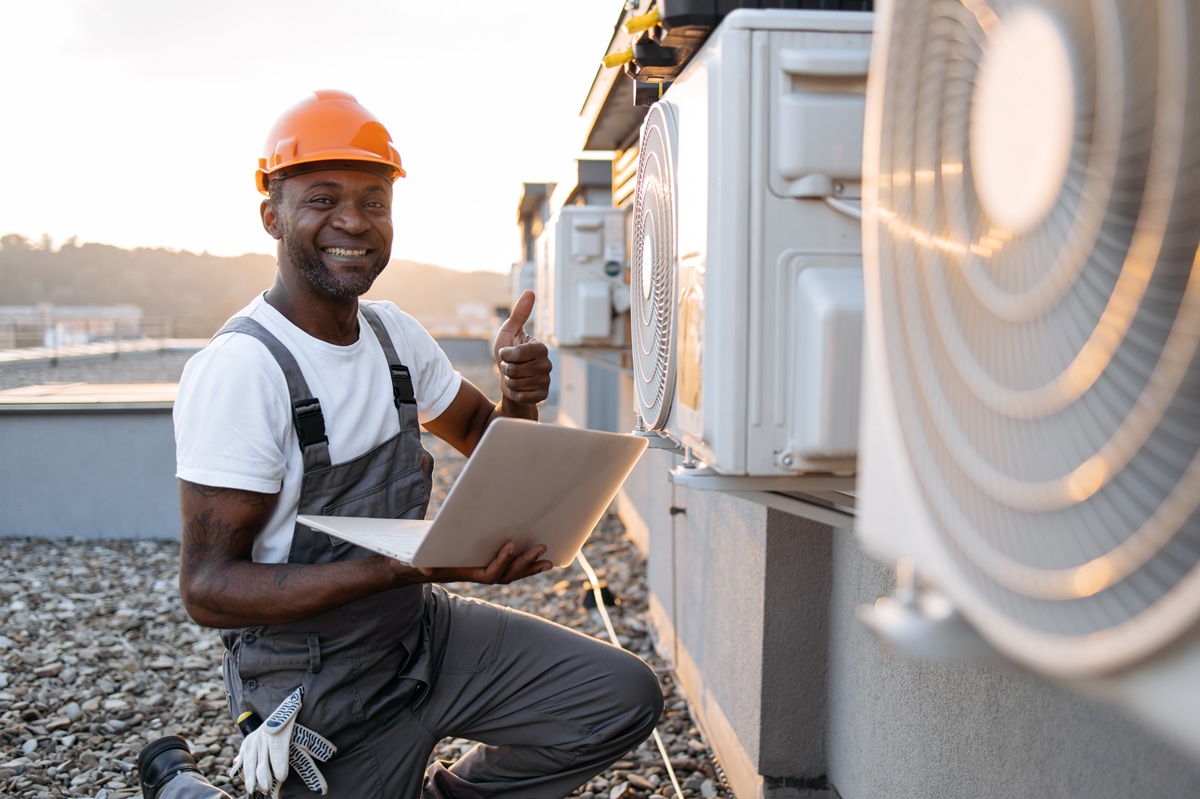
It is also advisable to obtain multiple quotes before making a decision. Comparing estimates from different contractors allows you to evaluate pricing, services, and timelines. However, the lowest price should not be the sole deciding factor. Quality workmanship and reliable service are equally important.
Transparency in communication is essential when working with an HVAC contractor. A professional contractor should be willing to explain the scope of work, provide detailed estimates, and answer any questions you may have. Clear communication helps avoid misunderstandings and ensures that expectations are aligned.
Energy efficiency should be a priority when selecting HVAC services. A knowledgeable contractor can recommend energy-efficient systems that reduce utility costs and environmental impact. They should also be familiar with modern technologies and provide guidance on maintaining optimal system performance.
Warranty and maintenance services are additional aspects to consider. A reliable contractor typically offers warranties on both equipment and labor. They may also provide maintenance plans to ensure the system operates efficiently over time. Regular maintenance helps prevent breakdowns and extends the lifespan of HVAC systems.
Finally, consider the contractor’s availability and responsiveness. HVAC issues often require prompt attention, especially during extreme weather conditions. Choosing a contractor who offers timely service and emergency support ensures peace of mind.
In conclusion, selecting the right HVAC contractor involves careful evaluation of credentials, experience, reviews, pricing, and communication. By taking the time to research and compare options, homeowners can make informed decisions that ensure efficient and reliable HVAC systems. A well-chosen contractor not only enhances comfort but also contributes to long-term savings and system performance.
The Benefits of Professional Plumbing Installation Over DIY Solutions
When it comes to home improvement projects, many homeowners are tempted to take the do-it-yourself route. With countless online tutorials and step-by-step videos available, DIY projects can seem like a cost-effective and rewarding option. While painting a room or assembling furniture may be manageable tasks, plumbing installation is a different matter entirely. Plumbing systems are complex, and even minor mistakes can lead to expensive repairs, water damage, and long-term complications.
Professional plumbing installation offers expertise, reliability, and peace of mind that DIY solutions often cannot match. Understanding the advantages of hiring a qualified plumber can help homeowners make informed decisions and protect their investment in their property.
Understanding the Complexity of Modern Plumbing Systems
Many people underestimate how intricate modern plumbing systems have become. Today’s residential plumbing networks involve a combination of water supply lines, drainage systems, fixtures, water heaters, pressure regulation devices, and local building code requirements.
A successful installation requires more than simply connecting pipes together. Proper sizing, placement, ventilation, water pressure management, and leak prevention all play crucial roles in ensuring the system functions efficiently and safely.
Professional plumbers undergo extensive training and gain hands-on experience working with various plumbing systems. This expertise allows them to identify potential issues before they become major problems.
The Hidden Risks of DIY Plumbing Installation
DIY plumbing projects often appear straightforward at first glance. However, hidden challenges frequently arise during installation.
Water Damage Concerns
One of the most common consequences of improper plumbing installation is water damage. Even a small leak can cause significant issues over time, including:
- Mold and mildew growth
- Structural damage to walls and flooring
- Damaged insulation
- Increased repair costs
Leaks hidden behind walls or beneath floors may go unnoticed for months before visible signs appear.
Incorrect Pipe Connections
Using the wrong fittings, materials, or connection methods can lead to system failures. Different plumbing materials require specific installation techniques, and improper connections often result in leaks or reduced system performance.
Code Violations
Local building codes exist to ensure plumbing systems are installed safely and correctly. DIY installations may unintentionally violate these regulations, leading to failed inspections, fines, or complications when selling a home.
Professional plumbers stay updated on current code requirements and ensure installations comply with local regulations.
Professional Installation Ensures Proper System Performance
A properly installed plumbing system is designed to function efficiently for many years. Professional plumbers understand how various components interact within the system and can optimize performance from the start.
Consistent Water Pressure
Poorly installed plumbing can lead to inconsistent water pressure throughout the home. Professional installers calculate pipe sizes and layouts to maintain adequate pressure across all fixtures.
Efficient Drainage
Drainage systems rely on precise slopes and venting arrangements. Even slight installation errors can cause slow drains, recurring clogs, or sewer gas odors.
Professional plumbers ensure proper drainage flow, reducing the likelihood of future maintenance issues.
Long-Term Reliability
Quality workmanship contributes significantly to the longevity of a plumbing system. Professional installation minimizes wear and tear on pipes, fixtures, and appliances, helping homeowners avoid premature replacements.
Access to Specialized Tools and Equipment
Many plumbing installations require specialized tools that the average homeowner may not own.
Examples include:
- Pipe inspection cameras
- Pipe threading equipment
- Leak detection devices
- Drain cleaning machines
- Pressure testing tools
Purchasing or renting these tools can quickly increase the cost of a DIY project. Professional plumbers already have access to the equipment needed to complete installations efficiently and accurately.
Additionally, experienced plumbers know how to use these tools effectively, reducing the risk of errors or property damage.
Saving Time and Reducing Stress
DIY plumbing projects often take significantly longer than expected. Homeowners must spend time researching procedures, gathering materials, troubleshooting issues, and correcting mistakes.
Professional plumbers streamline the process by:
- Diagnosing issues quickly
- Selecting appropriate materials
- Completing installations efficiently
- Performing quality checks
This saves homeowners valuable time and reduces the stress associated with complicated plumbing work.
For busy families and property owners, hiring a professional can be a worthwhile investment that allows them to focus on other priorities.
Enhanced Safety During Installation
Safety is another important factor that is often overlooked during DIY plumbing projects.
Water and Electrical Hazards
Many plumbing installations occur near electrical systems. Improper handling can create serious safety risks, including electrical shock or fire hazards.
Professional plumbers understand how to work safely around electrical components and follow established safety protocols.
Gas Line Considerations
Certain plumbing projects involve water heaters, boilers, or appliances connected to gas lines. Mistakes during installation can lead to gas leaks, posing significant health and safety dangers.
Licensed professionals have the training necessary to handle these installations safely and correctly.
Warranty Protection and Accountability
One major advantage of professional plumbing installation is the protection offered through warranties and service guarantees.
When homeowners perform DIY installations, they assume full responsibility for any problems that arise. If a leak develops or a fixture fails due to improper installation, repair costs come directly out of pocket.
Professional plumbers often provide workmanship warranties that cover installation-related issues. Additionally, manufacturers may require professional installation to maintain product warranty coverage.
This added layer of protection provides peace of mind and financial security.
Cost Savings Over the Long Term
Many homeowners choose DIY plumbing because they hope to save money. While avoiding labor costs may seem attractive initially, DIY mistakes can become expensive.
Common costs associated with faulty installations include:
- Emergency plumbing repairs
- Water damage restoration
- Mold remediation
- Fixture replacement
- Increased utility bills
Professional installation helps prevent these issues, often resulting in substantial long-term savings.
Investing in quality workmanship from the beginning can eliminate the need for repeated repairs and unexpected expenses down the road.
Improved Property Value
Well-maintained plumbing systems contribute to a home’s overall value and appeal.
Potential buyers often request inspections before purchasing a property. Poorly executed DIY plumbing work can raise concerns and potentially delay or derail a sale.
Professional installations demonstrate that the home’s systems have been maintained properly and according to industry standards.
This can provide reassurance to prospective buyers and enhance the property’s marketability.
Choosing the Right Professional for the Job
Not all plumbing contractors offer the same level of expertise and service. Homeowners should consider factors such as:
- Licensing and certifications
- Industry experience
- Customer reviews
- Warranty offerings
- Transparent pricing
Working with a reputable plumbing professional helps ensure the project is completed correctly and efficiently.
Taking the time to select a qualified contractor can make a significant difference in the quality and longevity of the installation.
Conclusion
While DIY projects can be rewarding in certain situations, plumbing installation is an area where professional expertise often delivers superior results. From ensuring code compliance and system efficiency to preventing costly mistakes and protecting property value, professional plumbing installation offers numerous advantages that extend far beyond the initial project.
Homeowners who invest in skilled plumbing services can enjoy greater reliability, improved safety, and long-term peace of mind. When it comes to critical home systems, professional workmanship remains one of the smartest investments a homeowner can make.
For homeowners seeking reliable plumbing assistance, many local residents have found success working with Top Shelf Plumbing Pros. Their experience with plumbing installations, repairs, and system upgrades can help ensure projects are completed correctly and efficiently, making them a helpful resource for anyone who prefers professional support over tackling complex plumbing work alone.
Small Space Renovation Ideas That Make a Big Impact
Renovating a small space presents unique challenges, but with thoughtful planning and creative solutions, it is possible to transform limited areas into functional and visually appealing environments. Small space renovations focus on maximizing utility while maintaining a sense of openness and comfort.
One of the most effective strategies is optimizing storage. Built-in cabinets, wall-mounted shelves, and multi-functional furniture help reduce clutter and make efficient use of available space. For example, beds with storage drawers or foldable tables can serve multiple purposes without occupying extra room.
Lighting plays a significant role in enhancing small spaces. Natural light should be maximized by using sheer curtains or blinds that allow sunlight to enter freely. Additionally, strategic placement of mirrors can reflect light and create an illusion of a larger area. Artificial lighting, such as recessed lights or wall sconces, can further brighten the space without taking up valuable floor area.
Choosing the right color palette is equally important. Light and neutral colors, such as whites, creams, and soft pastels, make a room feel more spacious and airy. Consistency in color schemes across walls, furniture, and decor helps create a seamless and cohesive look. Avoiding heavy patterns and dark shades can prevent the space from feeling cramped.
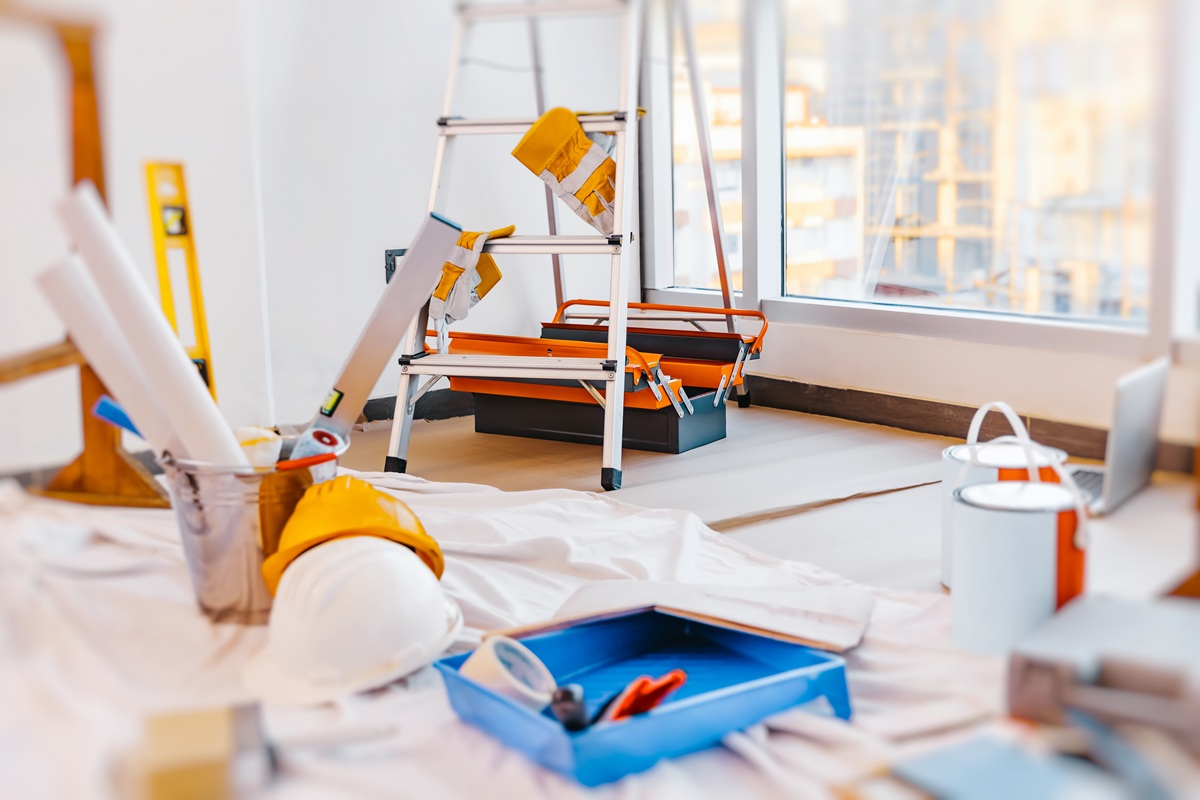
Open layouts are particularly beneficial in small homes. Removing unnecessary partitions and combining living, dining, and kitchen areas can create a more expansive feel. Even partial openings, such as glass partitions or sliding doors, can maintain separation while allowing light and visibility to flow through the space.
Furniture selection should be practical and proportional. Oversized furniture can overwhelm a small room, while compact and streamlined pieces provide comfort without crowding. Choosing furniture with exposed legs can also create a sense of openness by allowing visibility underneath.
Vertical space is often underutilized in small areas. Installing tall shelves or cabinets that extend upward can provide additional storage without consuming floor space. Hanging organizers and hooks can also be used to keep items accessible and organized.
Incorporating smart design elements can further enhance functionality. Foldable furniture, modular units, and convertible spaces allow rooms to adapt to different needs throughout the day. For instance, a living room can easily transform into a workspace or guest area with the right design choices.
In conclusion, small space renovation is about making thoughtful decisions that maximize efficiency and aesthetics. By focusing on storage, lighting, color, layout, and furniture, even the smallest spaces can be transformed into comfortable and stylish environments. With careful planning and creativity, limited space can deliver a significant impact.
Concrete Maintenance Tips for Long-Lasting Surfaces
Concrete is widely used in residential and commercial construction due to its strength, durability, and versatility. However, even the most robust concrete surfaces require proper care and maintenance to ensure longevity and performance. Regular maintenance not only preserves the appearance of concrete but also prevents costly repairs in the future.
One of the most important aspects of concrete maintenance is routine cleaning. Dirt, debris, oil stains, and chemicals can gradually deteriorate the surface if left unattended. Sweeping regularly and washing the surface with water and mild detergent helps maintain its cleanliness. For stubborn stains such as oil or grease, specialized concrete cleaners can be used to restore the surface effectively.
Sealing is another essential step in maintaining concrete surfaces. A high-quality sealant acts as a protective layer that prevents water penetration, staining, and damage caused by freeze-thaw cycles. It is recommended to reseal concrete every two to three years, depending on the level of usage and exposure to weather conditions. Sealing also enhances the appearance by giving the surface a smooth and polished finish.
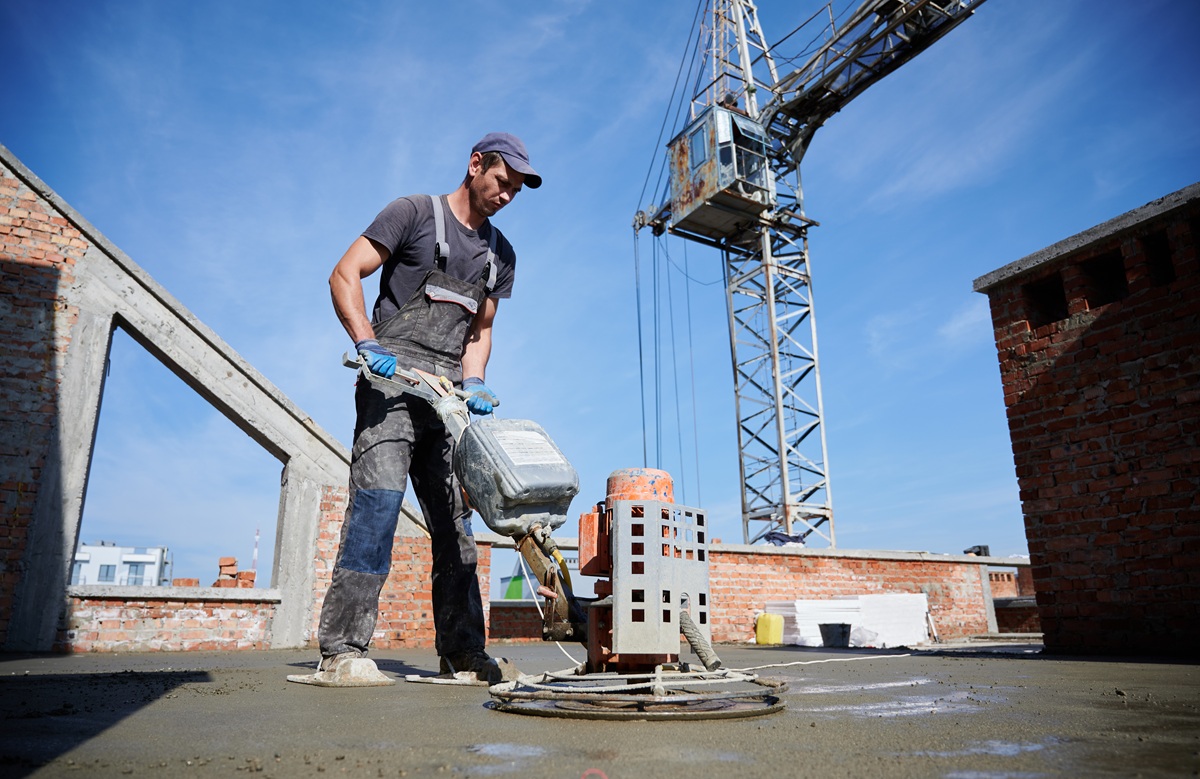
Crack prevention and repair are crucial for long-term durability. Small cracks can develop over time due to temperature changes, heavy loads, or ground movement. Ignoring these cracks can lead to more significant structural issues. It is advisable to inspect concrete surfaces periodically and fill minor cracks with appropriate repair compounds before they expand.
Proper drainage plays a vital role in maintaining concrete. Standing water can weaken the structure and lead to surface erosion or mold growth. Ensuring that water drains away from concrete surfaces reduces the risk of damage. Sloping the surface correctly during installation and keeping drainage systems clear are effective ways to manage water flow.
Avoiding excessive weight and impact is also important. While concrete is strong, it can still be damaged by heavy loads or repeated impact. Using protective pads under heavy equipment and avoiding sharp impacts can prevent unnecessary stress on the surface.
Seasonal care should not be overlooked. In colder climates, de-icing chemicals can harm concrete surfaces by causing scaling and surface deterioration. Using sand instead of harsh chemicals can help maintain traction without damaging the concrete. In warmer climates, protecting the surface from prolonged sun exposure can prevent fading and cracking.
In conclusion, maintaining concrete surfaces requires consistent effort and attention to detail. Regular cleaning, sealing, crack repair, proper drainage, and mindful usage all contribute to extending the lifespan of concrete. By following these simple yet effective maintenance practices, homeowners and property managers can ensure that their concrete surfaces remain durable, safe, and visually appealing for many years.