
Concrete Maintenance Tips for Long-Lasting Surfaces
Concrete is widely used in residential and commercial construction due to its strength, durability, and versatility. However, even the most robust concrete surfaces require proper care and maintenance to ensure longevity and performance. Regular maintenance not only preserves the appearance of concrete but also prevents costly repairs in the future.
One of the most important aspects of concrete maintenance is routine cleaning. Dirt, debris, oil stains, and chemicals can gradually deteriorate the surface if left unattended. Sweeping regularly and washing the surface with water and mild detergent helps maintain its cleanliness. For stubborn stains such as oil or grease, specialized concrete cleaners can be used to restore the surface effectively.
Sealing is another essential step in maintaining concrete surfaces. A high-quality sealant acts as a protective layer that prevents water penetration, staining, and damage caused by freeze-thaw cycles. It is recommended to reseal concrete every two to three years, depending on the level of usage and exposure to weather conditions. Sealing also enhances the appearance by giving the surface a smooth and polished finish.
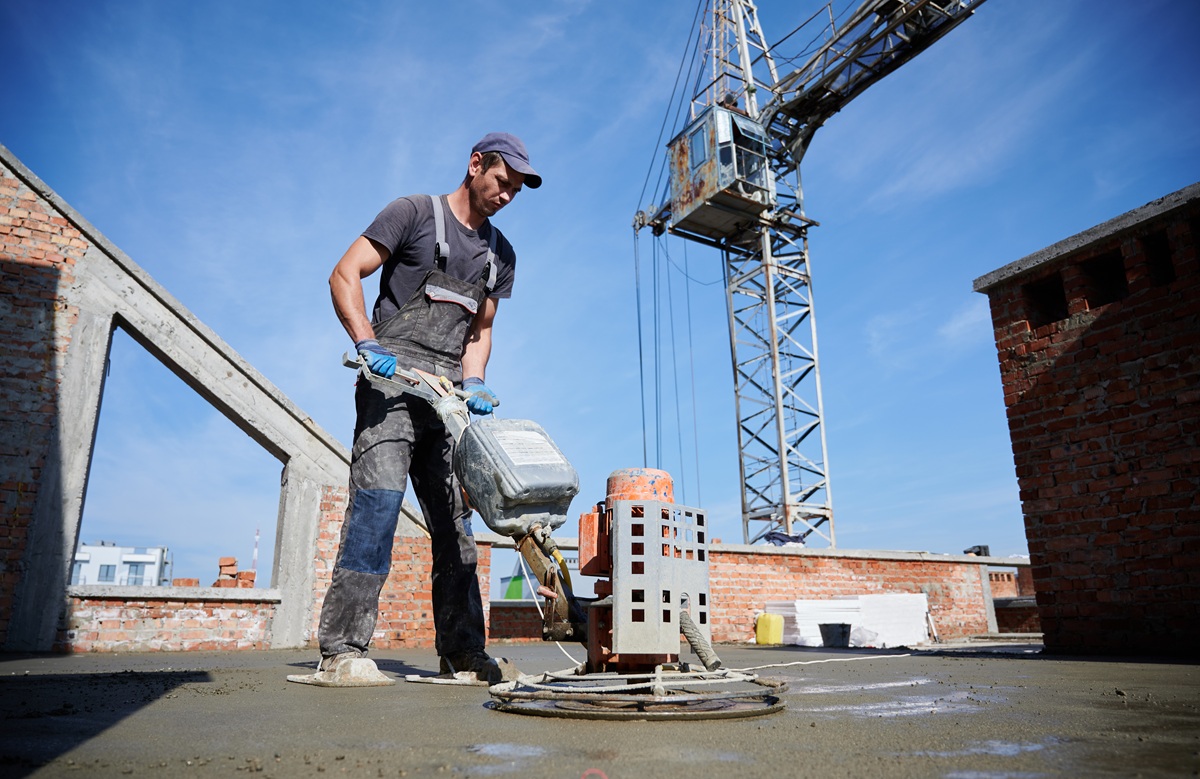
Crack prevention and repair are crucial for long-term durability. Small cracks can develop over time due to temperature changes, heavy loads, or ground movement. Ignoring these cracks can lead to more significant structural issues. It is advisable to inspect concrete surfaces periodically and fill minor cracks with appropriate repair compounds before they expand.
Proper drainage plays a vital role in maintaining concrete. Standing water can weaken the structure and lead to surface erosion or mold growth. Ensuring that water drains away from concrete surfaces reduces the risk of damage. Sloping the surface correctly during installation and keeping drainage systems clear are effective ways to manage water flow.
Avoiding excessive weight and impact is also important. While concrete is strong, it can still be damaged by heavy loads or repeated impact. Using protective pads under heavy equipment and avoiding sharp impacts can prevent unnecessary stress on the surface.
Seasonal care should not be overlooked. In colder climates, de-icing chemicals can harm concrete surfaces by causing scaling and surface deterioration. Using sand instead of harsh chemicals can help maintain traction without damaging the concrete. In warmer climates, protecting the surface from prolonged sun exposure can prevent fading and cracking.
In conclusion, maintaining concrete surfaces requires consistent effort and attention to detail. Regular cleaning, sealing, crack repair, proper drainage, and mindful usage all contribute to extending the lifespan of concrete. By following these simple yet effective maintenance practices, homeowners and property managers can ensure that their concrete surfaces remain durable, safe, and visually appealing for many years.